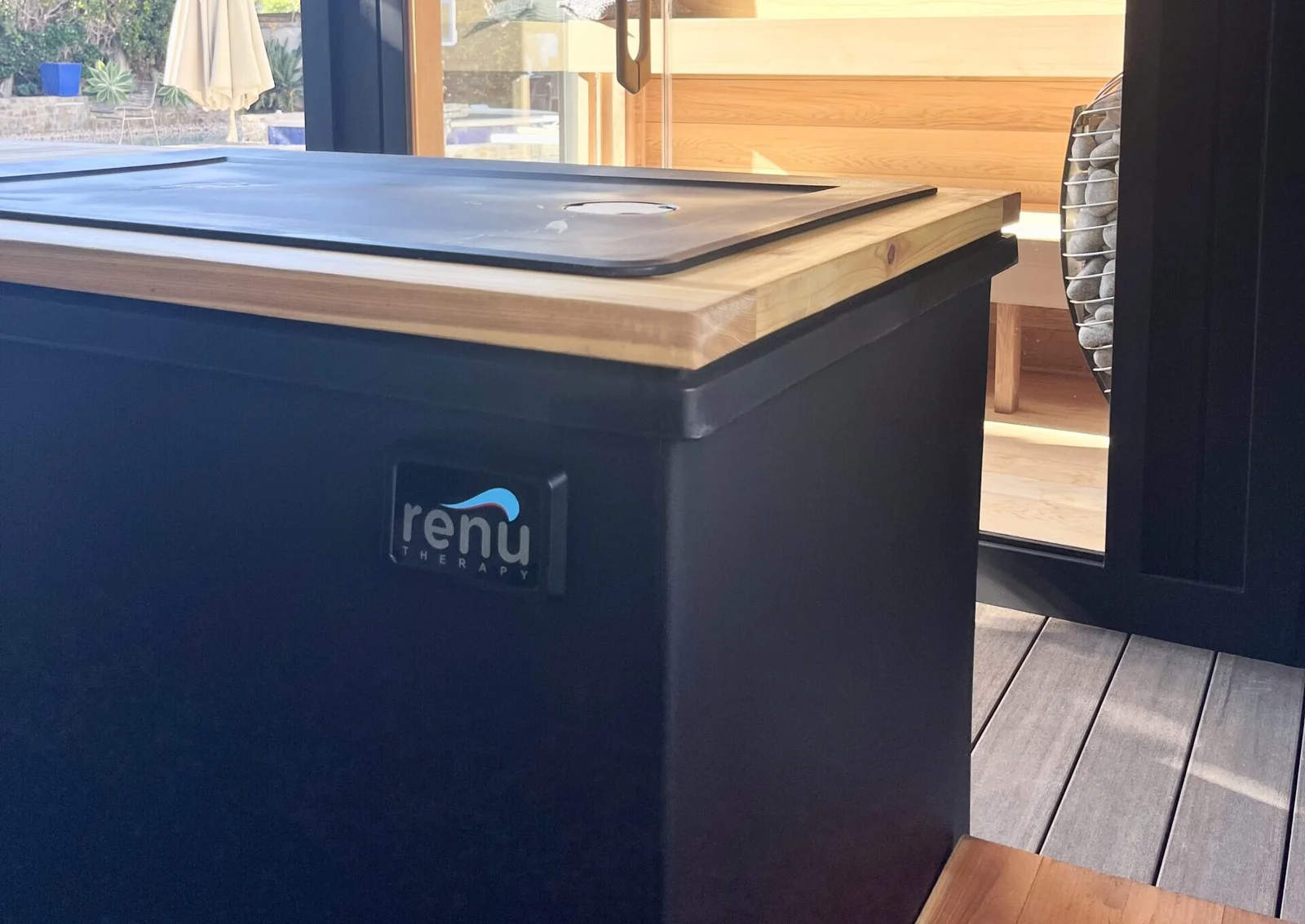
Cold Plunges 101
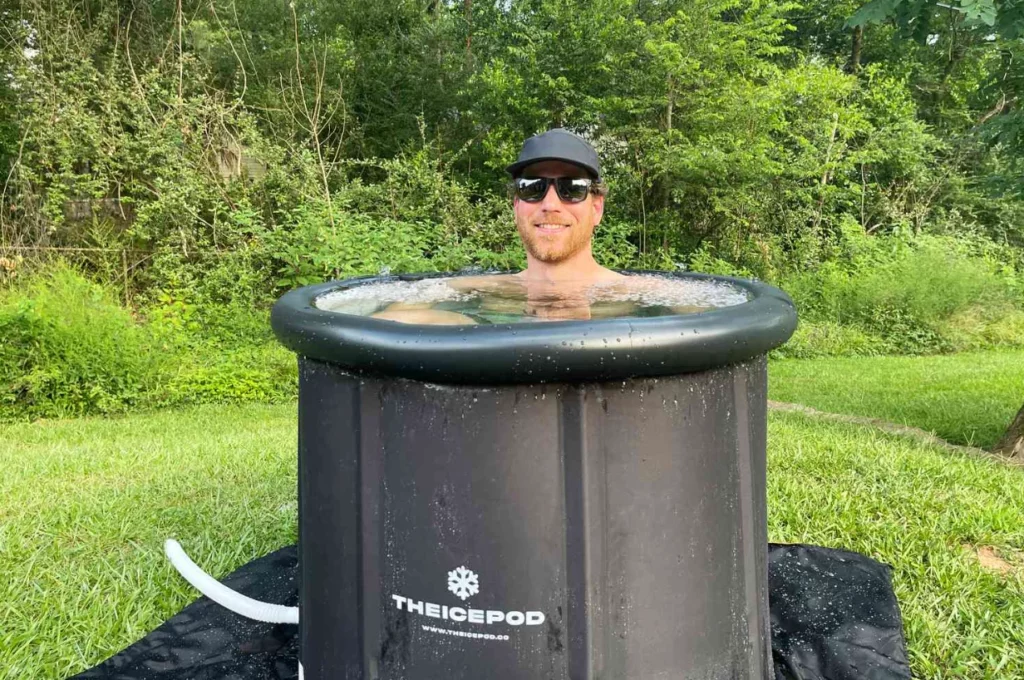
Cold plunges have moved from elite training facilities into private homes—and for good reason. When used intentionally, cold water immersion can be a powerful tool for muscle recovery, nervous system regulation, and mental resilience.
But like saunas, cold plunges are not one-size-fits-all.
From ice baths vs. chilled systems to indoor vs. outdoor installations, temperature control, plumbing, flooring, and drainage, the effectiveness of a cold plunge depends on how thoughtfully it’s designed from the start.
This guide covers how cold plunges work, who they’re best for, and what to consider when integrating one into a home gym or wellness space.
What Is a Cold Plunge?
A cold plunge is a form of cold water immersion therapy, typically ranging from 35–55°F, where the body is submerged for short periods—usually between 1 and 5 minutes.
Cold plunges are commonly used:
- After training
- In contrast with sauna use (hot–cold therapy)
- As a standalone nervous system reset
Unlike casual ice baths, modern cold plunges are designed to be controlled, repeatable, and hygienic, making them suitable for frequent home use.
The Core Benefits of Cold Plunge Therapy
When used consistently and appropriately, cold plunges can support:
- Reduced muscle soreness and inflammation
- Improved circulation through vasoconstriction and rebound vasodilation
- Faster perceived recovery between workouts
- Improved stress tolerance and mental resilience
- Nervous system regulation and mood support
For many high performers, cold plunging becomes less about endurance and more about building a sustainable recovery ritual.
Ice Baths vs. Cold Plunges: What’s the Difference?
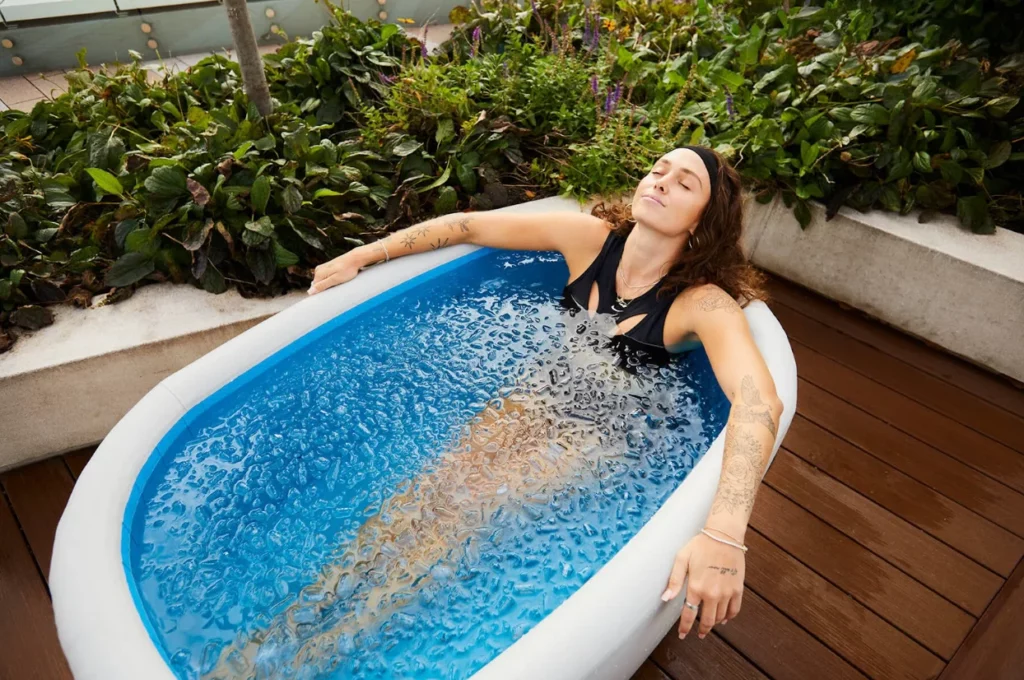
Ice Baths (Manual)
Ice baths rely on manually adding ice to lower the water temperature.
Pros:
- Low upfront cost
- Simple setup
Cons:
- Inconsistent temperature
- Ongoing ice logistics
- Limited sanitation
- Not practical for daily use
Best for occasional or temporary recovery—not long-term integration.
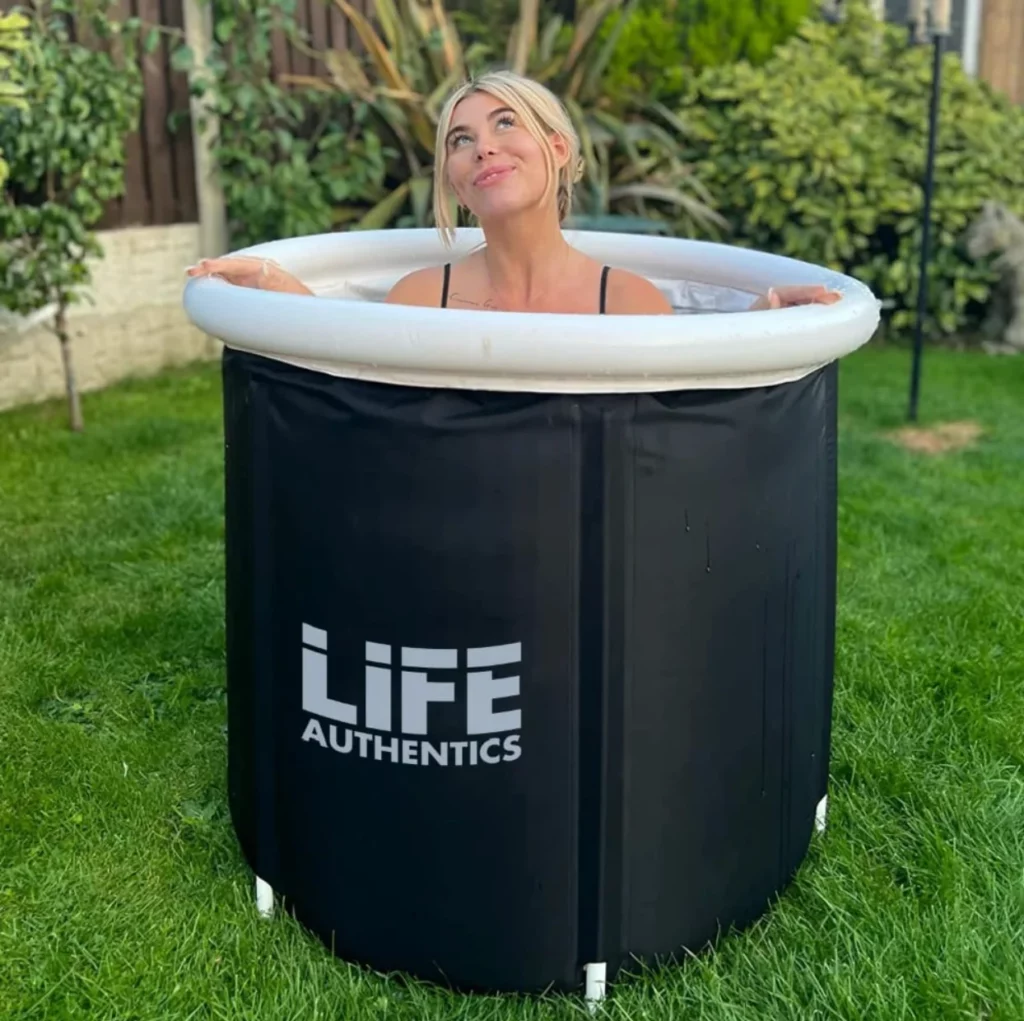
Cold Plunges (Chilled Systems)
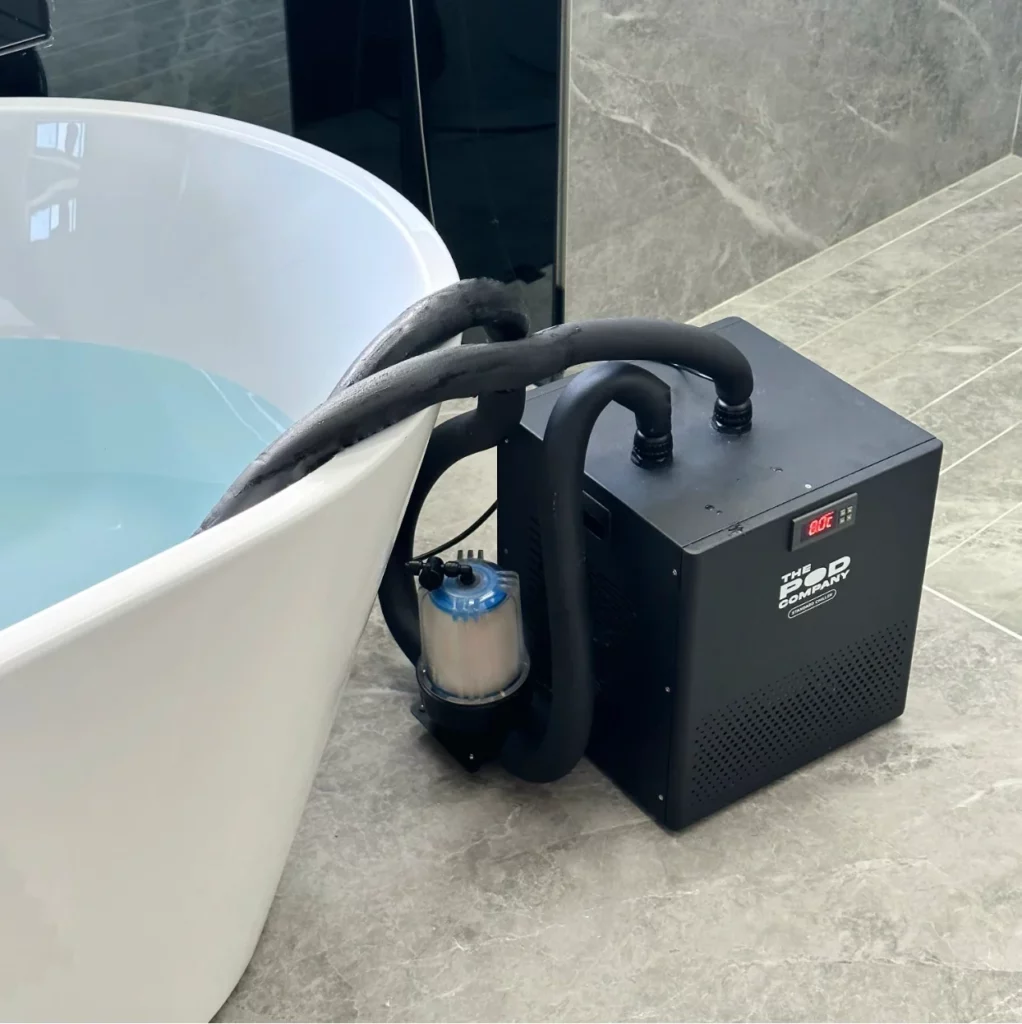
Cold plunges use a dedicated chiller to actively cool and maintain water temperature.
Pros:
- Precise temperature control
- Designed for frequent use
- Cleaner and safer long-term
- Integrates well with sauna routines
Cons:
- Higher upfront investment
- Requires plumbing and electrical planning
Best for homeowners who want consistency without friction.
Cold Plunges (Chilled Systems)
Cold plunges use a dedicated chiller to actively cool and maintain water temperature.
Pros:
- Precise temperature control
- Designed for frequent use
- Cleaner and safer long-term
- Integrates well with sauna routines
Cons:
- Higher upfront investment
- Requires plumbing and electrical planning
Best for homeowners who want consistency without friction.
Portable or Drop-In Units
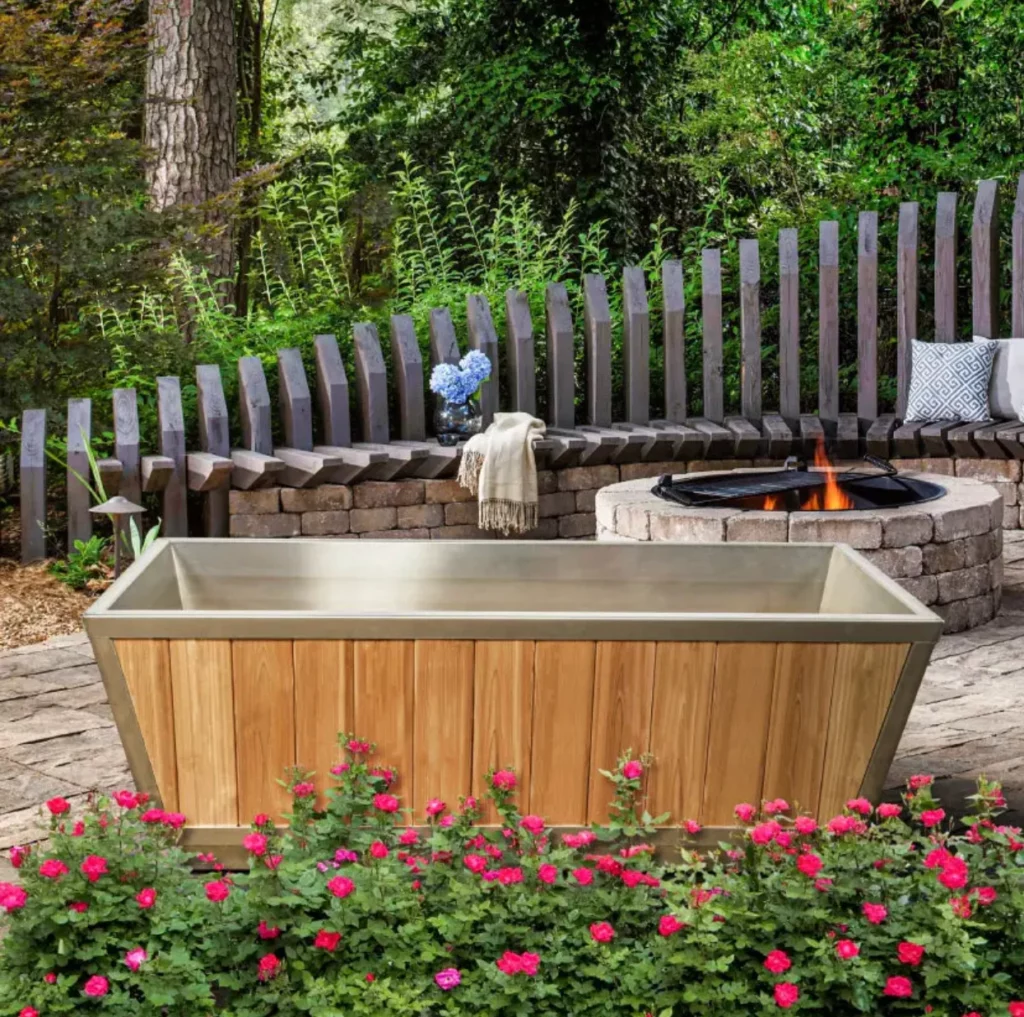
Prefabricated tubs paired with a chiller.
Pros:
- Faster installation
- Lower complexity
- Flexible placement
Cons:
- Limited customization
- Visible equipment
Cold Plunge Temperature Guidelines (Men, Women & Shared Use)
Cold therapy does not need to be extreme to be effective.
Typical Temperature Ranges
- Beginners: 50–55°F
- Intermediate: 45–50°F
- Advanced: 35–45°F
Shorter exposure at moderate temperatures is often more effective—and more sustainable—than pushing extremes.
Women, Hormones & Cold Exposure
Women generally do not need to plunge at the same temperatures as men to receive the benefits of cold therapy.
Due to differences in:
- Hormonal profiles
- Core temperature regulation
- Cortisol and stress response
Women often experience equal recovery and nervous system benefits at higher temperatures, typically in the 45–55°F range.
Colder is not better if it disrupts sleep, hormones, or consistency.
Shared Cold Plunges Require Adjustability
When a cold plunge is shared between partners or family members, easy temperature control is essential.
We strongly recommend systems that offer:
- App-based or digital temperature control
- Quick adjustments between users
- Reliable temperature stability
This flexibility ensures the plunge works for everyone—not just the person with the highest cold tolerance.
Types of Cold Plunge Installations
Semi-Custom Cold Plunges
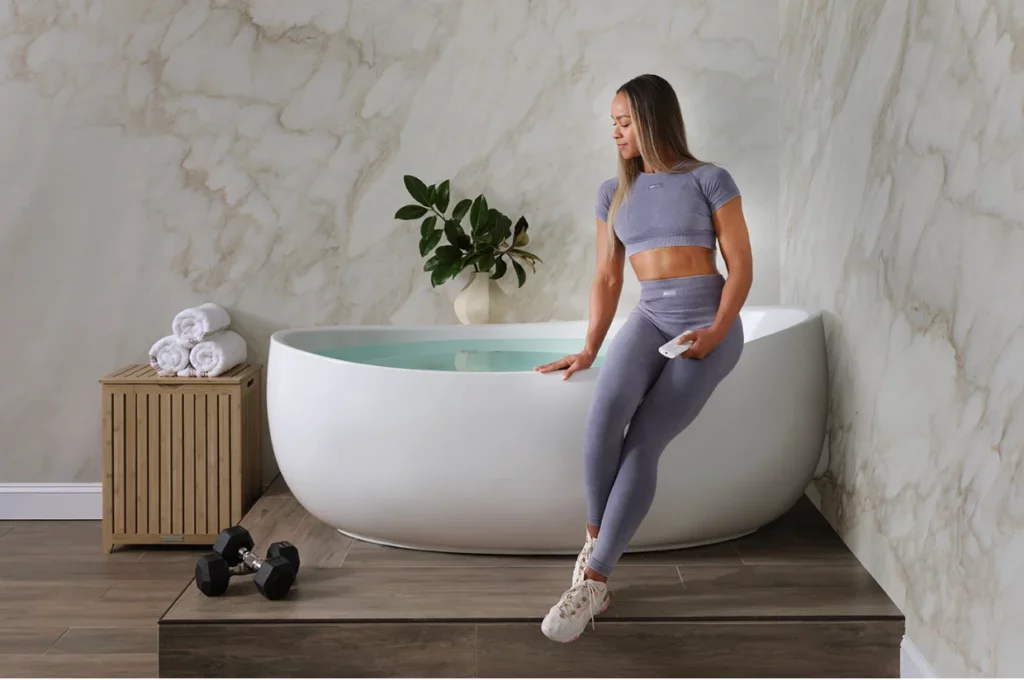
Pre-engineered systems with upgraded materials and finishes.
Pros:
- Better aesthetics
- Improved insulation and efficiency
- Cleaner integration
Cons:
- Still constrained by system dimensions
Fully Custom Cold Plunges
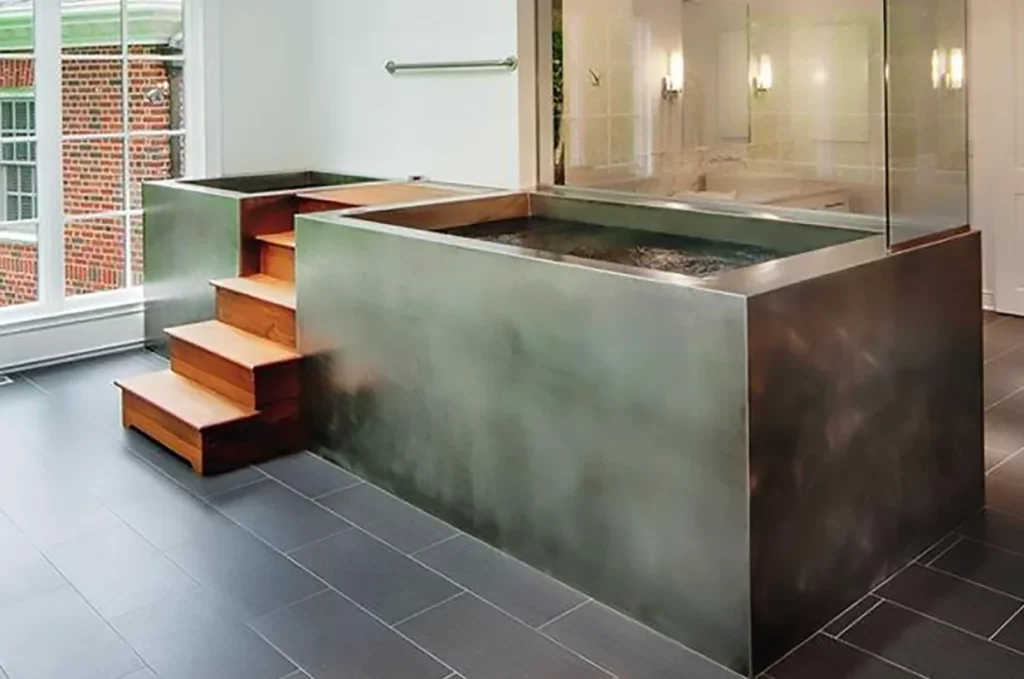
Architecturally integrated into the home or wellness space.
Pros:
- Seamless visual integration
- Custom sizing and depth
- Concealed mechanical systems
Cons:
- Higher cost
- Requires advanced planning
Flooring: A Critical but Overlooked Detail
Cold plunges introduce water into spaces that must be designed to handle it.
Proper flooring should be:
- Fully waterproof (not just water-resistant)
- Slip-resistant when wet
- Able to drain excess water or allow rapid evaporation
- Free of low points where water can pool
Standing water creates safety risks, material damage, and long-term maintenance issues. Flooring must be treated as part of the system, not an afterthought.
Plumbing, Drainage & Refill Access
Cold plunges require periodic draining and deep cleaning. These practical details are often missed during planning.
Key questions to address early:
- Where will the plunge drain?
- Is there a floor drain, trench drain, or exterior drain point?
- How easily can the plunge be refilled?
- Is hose access available without carrying water through the home?
When these considerations are overlooked, homeowners often end up with inconvenient or messy workarounds.
Thoughtful placement eliminates friction and protects the longevity of the system.
Power & Mechanical Planning
Most cold plunges require:
- Dedicated electrical circuits
- Proper ventilation for chillers
- Weather-rated components for outdoor installations
Like saunas, cold plunges should be planned early—before finishes are installed—to avoid rework and compromised design.
Cold Plunges as Part of a Recovery Ecosystem
Cold plunges are most effective when paired with:
- Saunas (contrast therapy)
- Showers or rinse stations
- Thoughtful circulation and flow
Designing these elements together creates a cohesive recovery experience, not a collection of disconnected features.
Final Thoughts
Cold plunges are not about chasing extremes. When designed and used intentionally, they become a practical, repeatable tool that supports recovery, resilience, and long-term consistency.
The value of a cold plunge is determined less by the product itself and more by how well it’s integrated into your space and lifestyle.
If you’re planning a cold plunge as part of a home gym or wellness project, early coordination around temperature control, flooring, plumbing, drainage, and power will save time, money, and frustration down the line.
By Kali Sudbrook
Founder of Beachside Custom Gyms