Build a Home Gym That Never Quits
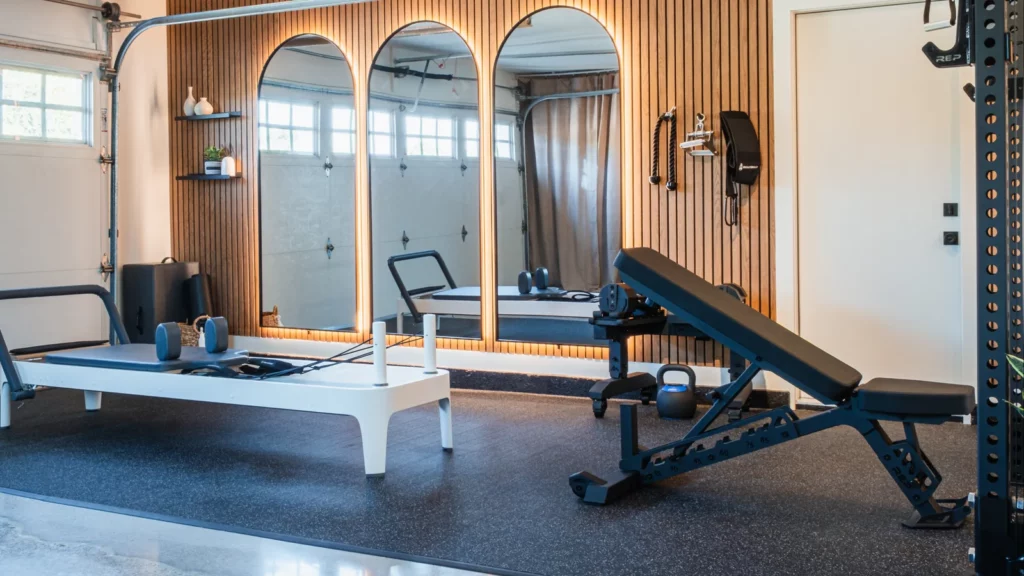
Your go-to guide for climate-smart gym design.
Let’s be honest—designing a home gym isn’t just about picking out sleek equipment or installing rubber floors. If you want a space that works as hard as you do, you’ve got to think beyond aesthetics. Climate plays a huge role in how your gym performs. From humidity and extreme temps to coastal air and basement moisture, regional conditions can make or break your space.
The good news? Building a gym that stays comfortable, efficient, and durable all year long doesn’t have to be complicated. Here’s how we approach gym design by region, using smart building science that gets results.
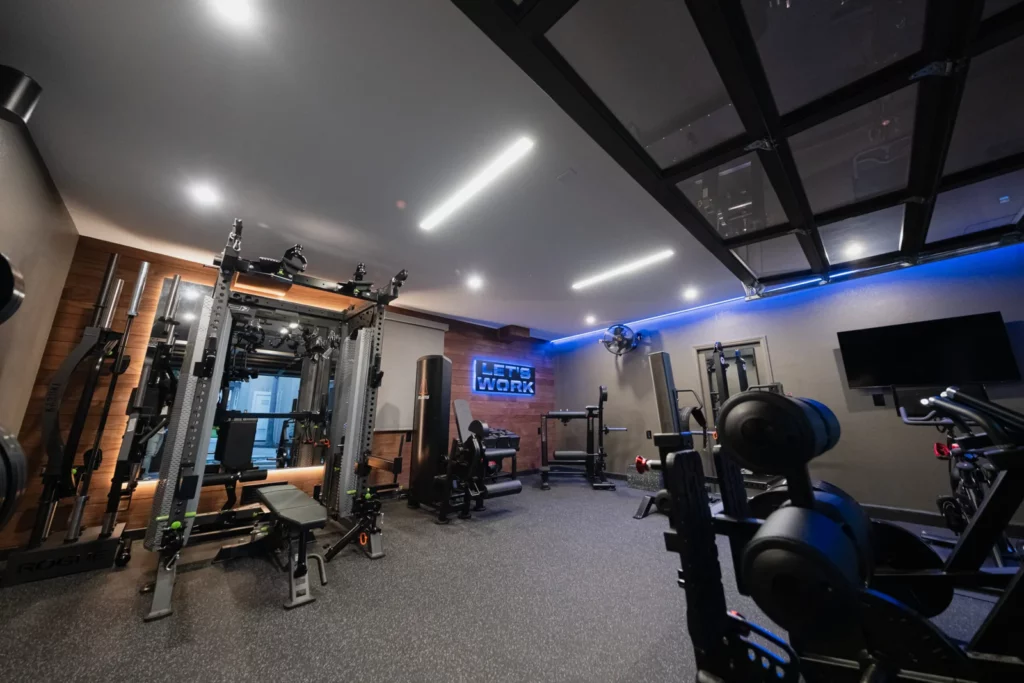
Southwest (AZ, NV, NM, Southern CA): Keep Your Cool
Living in the desert has its perks, but extreme heat and dry air aren’t one of them—especially when you’re trying to crush a workout. We design for temperature control first.
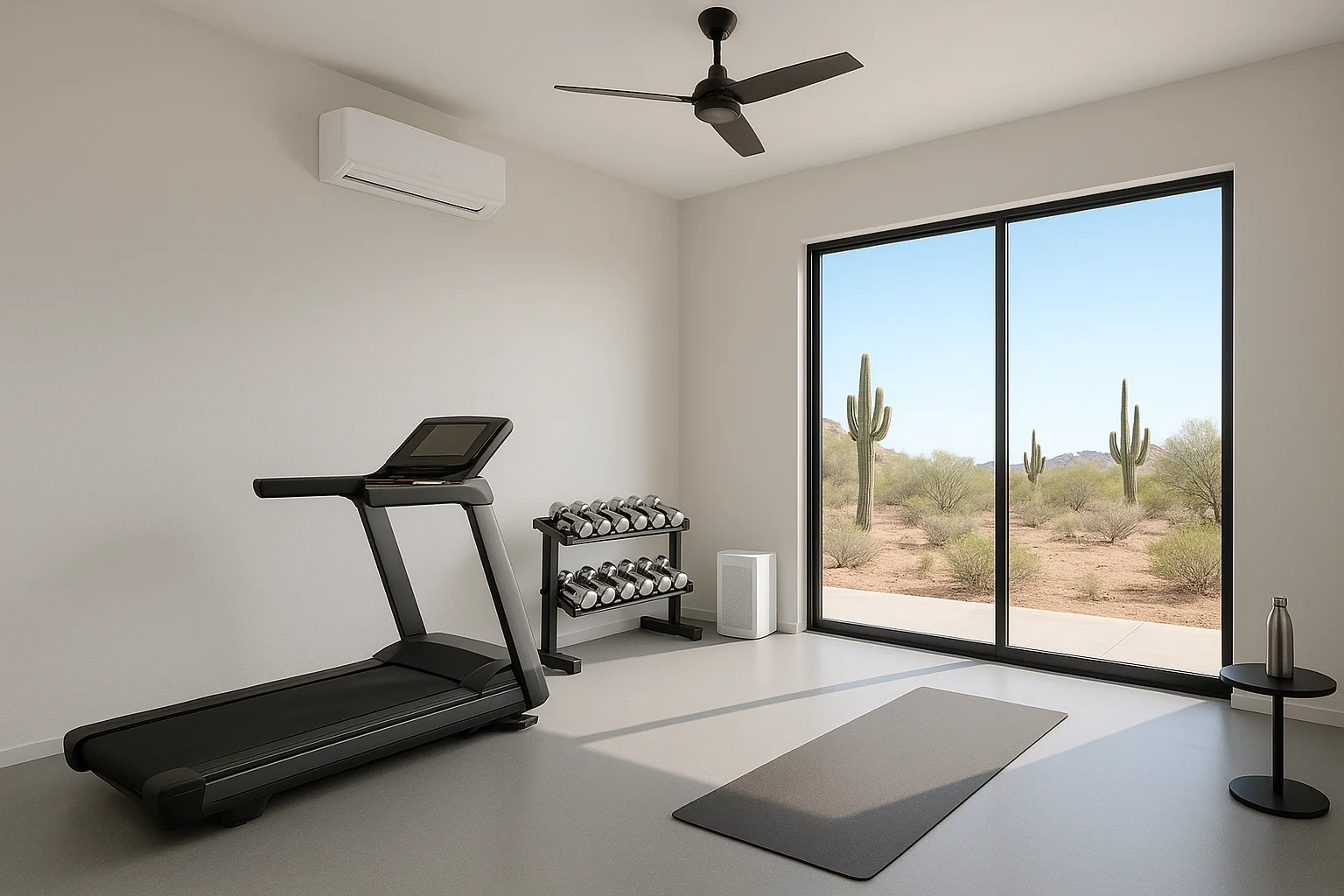
- Cooling is a priority. Mini-split AC units and ceiling fans are your best bet for keeping the space comfortable. Reflective roofing helps reduce heat gain.
- Ventilation matters. Proper airflow prevents heat from building up and keeps air quality in check.
- Choose the right flooring. Rubber or cork handles temperature swings without warping.
- Smarter windows. UV-blocking or tinted glass keeps indoor temps manageable and protects equipment from sun damage.
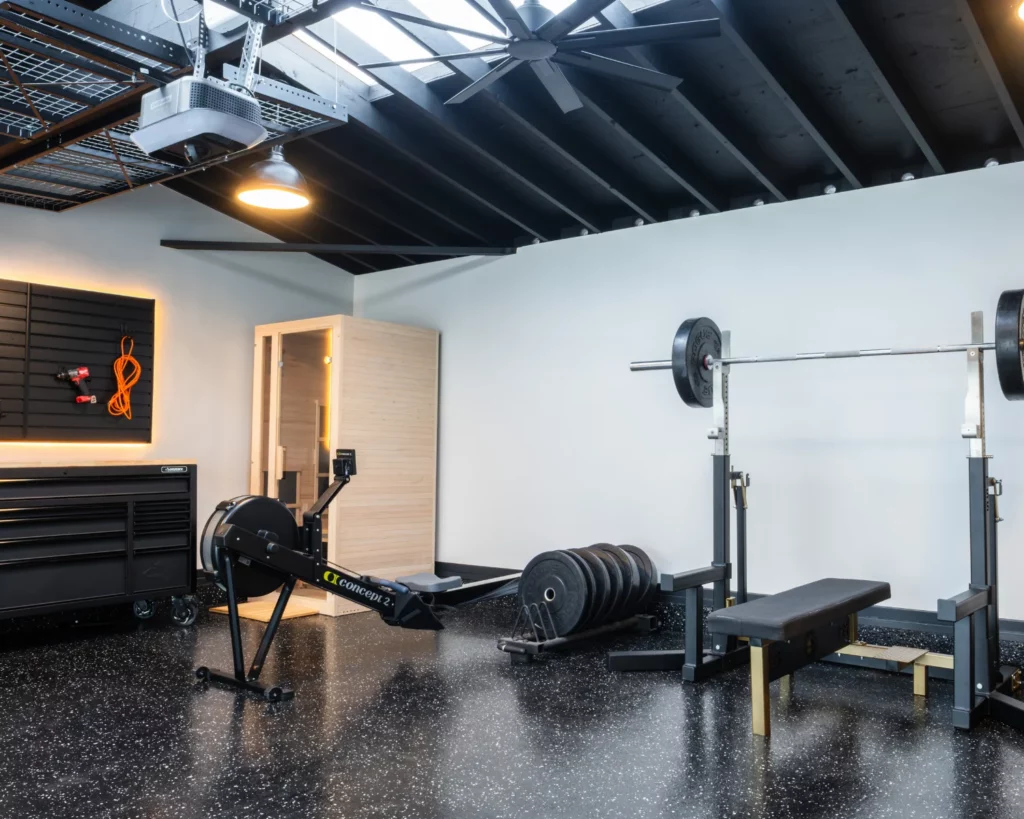
West Coast (CA, OR, WA): Seismic Safety and Coastal Durability
Out west, we’ve got two things to think about: earthquakes and coastal moisture. Both factor into a home gym that’s built to last.
- Seismic safety comes first. All wall-mounted equipment should be securely anchored. No exceptions.
- Moisture control for coastal zones. Dehumidifiers and moisture-resistant materials keep dampness and mold in check.
- Ventilation is essential. Smart airflow design keeps the air fresh, which makes a difference in high-humidity areas.
- Durable flooring. Sealed rubber flooring handles moisture and heavy use without breaking down.
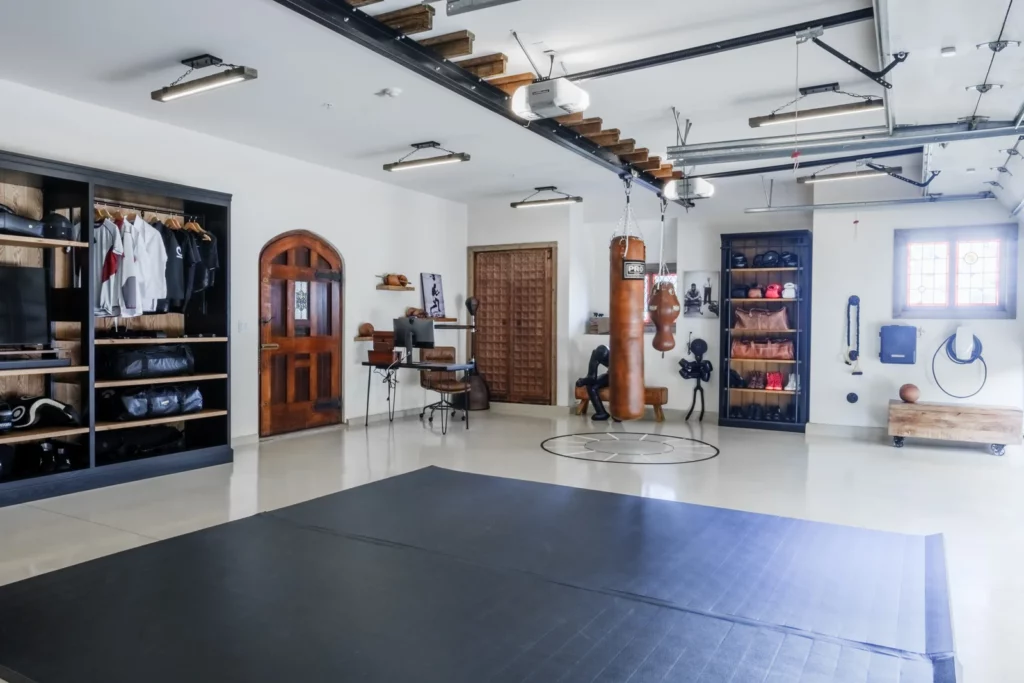
Mountain West (CO, UT, MT, ID, WY): Warm, Dry, and Comfortable
If you’re living at elevation, you know winters are cold and the air stays dry. Your gym should be a space that’s warm, comfortable, and easy on the lungs.
- High-performance insulation. Use materials with a high R-value to maintain stable indoor temps.
- Heating solutions that work. Radiant floor heating is a game changer, but zoned heating systems work well, too.
- Combat dry air. A humidifier keeps air balanced and protects both equipment and your recovery.
- Protect your gear. Regulated temperatures prevent metal equipment from freezing or becoming uncomfortable to use.
Midwest (IL, OH, MN, MI, WI, IN): Plan for Seasonal Extremes
Midwestern weather runs the gamut—hot, humid summers and freezing winters. Your gym needs to handle both ends of the spectrum.
- Insulate and seal everything. Walls, floors, and especially concrete basements need to be sealed to prevent moisture damage.
- Moisture prevention is a must. Vapor barriers and dehumidifiers keep dampness at bay, especially in basement setups.
- Temperature control done right. Insulated walls and HVAC zoning keep conditions stable and comfortable.
- Good airflow. Ceiling fans and well-designed ductwork keep fresh air moving year-round.
Southeast (FL, GA, NC, SC, LA, TX): Built to Handle Humidity
In the Southeast, it’s all about battling high humidity, storms, and coastal exposure. We design to keep things dry, secure, and low-maintenance.
- Moisture control is critical. Dehumidifiers and moisture-resistant materials are essential to prevent mold and mildew.
- Storm prep matters. Impact-rated windows and doors protect your investment in hurricane-prone areas.
- Ventilation keeps air moving. A well-ventilated gym prevents condensation and humidity buildup.
- Corrosion-resistant materials. Coastal areas need hardware and equipment that won’t rust or degrade.
Northeast (NY, PA, MA, NJ): Stay Warm Without Skyrocketing Energy Bills
Cold winters and high energy costs mean your gym needs to be efficient and comfortable—without breaking the bank.
- Thermal efficiency matters. High-performance insulation and energy-efficient HVAC systems cut costs and keep temps consistent.
- Basement waterproofing is a must. Proper drainage, sealing, and vapor barriers keep the space dry year-round.
- Heating that makes a difference. Radiant floor heating offers even warmth, and zoning your HVAC helps avoid cold spots.
- Smart controls. Thermostats and smart systems keep things running efficiently, whether it’s July or January.
The Bottom Line: Build It Right From the Start
Your home gym should be designed with the same attention to detail as your workouts. When you factor in regional challenges and building science best practices, you get a space that’s comfortable, durable, and efficient. That means less time worrying about the space—and more time focusing on results.
Ready to create a home gym that’s built to perform? Let’s make it happen. I’m here to design a space that works for you, without the stress.
By Kali Sudbrook
Founder of Beachside Custom Gyms